

Nightglow Balloons Over Waikato | 64% Diversion
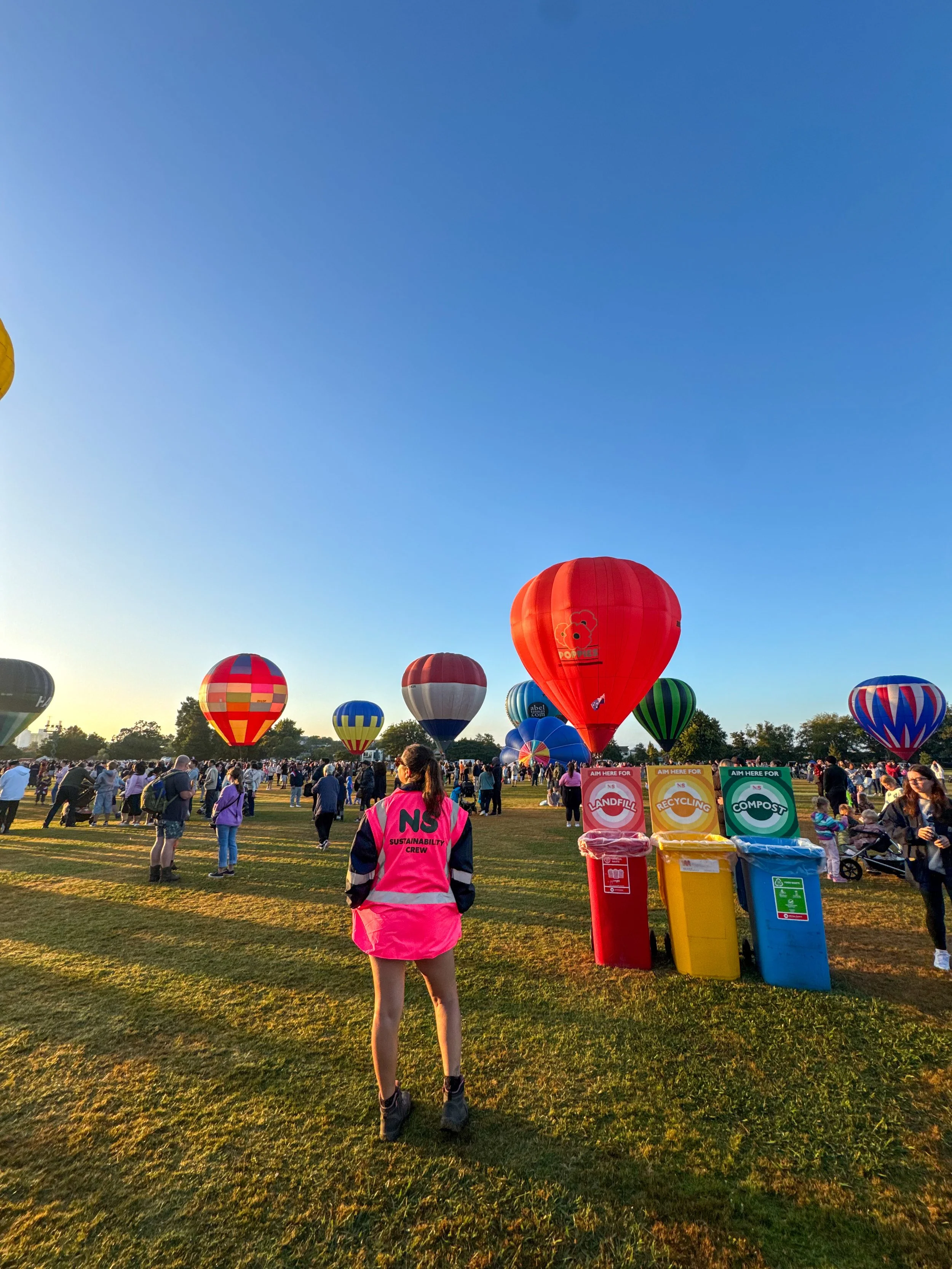
Scaling Waste Systems for 60,000 Attendees at Nightglow Waikato
Designing and delivering a full-scale waste management system for one of New Zealand’s largest free community events.
Location: Waikato University
Event type: Community event
Event duration: 1 day
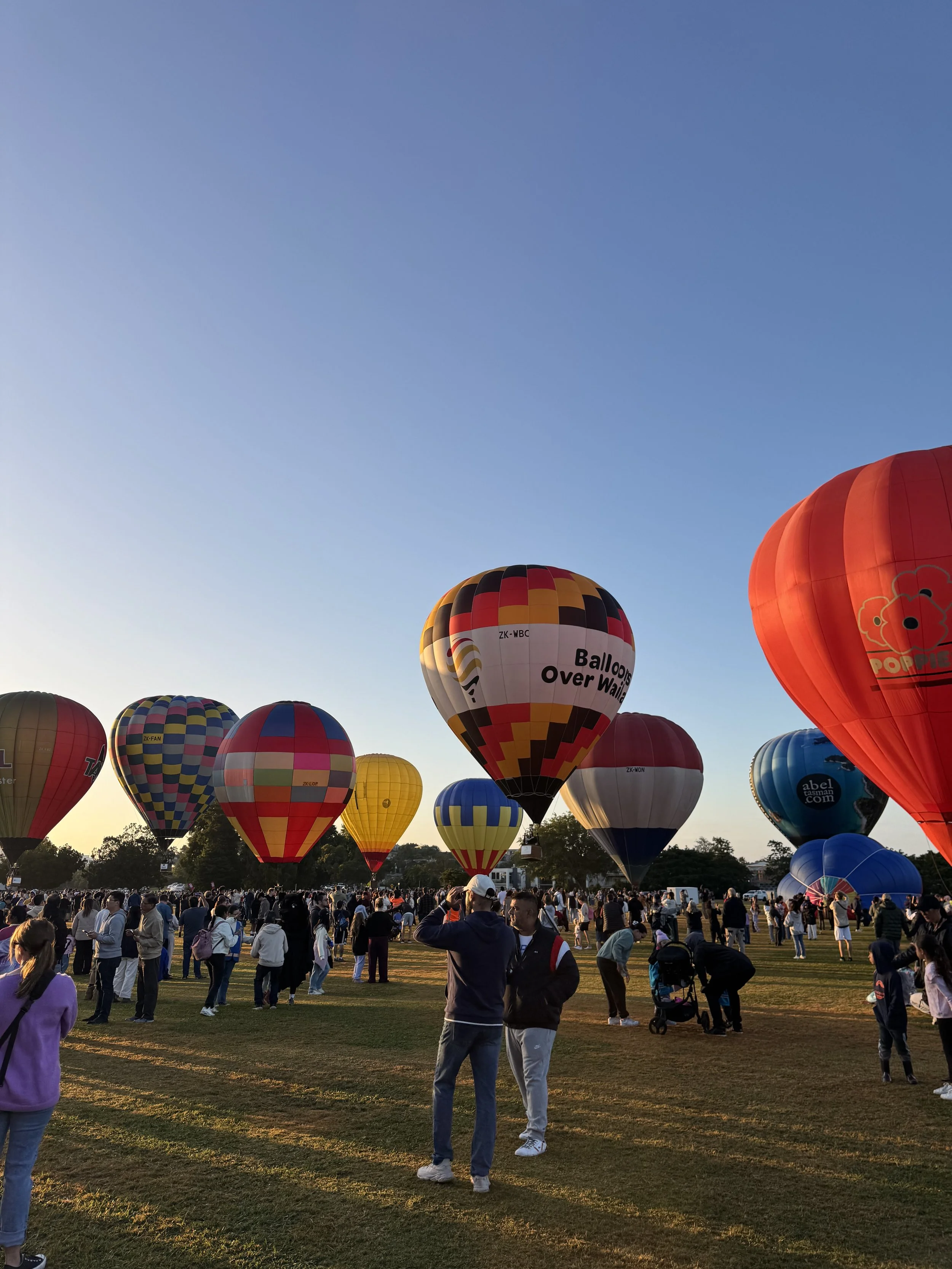
Nightglow at Balloons Over Waikato is one of Aotearoa’s largest free public events, attracting approximately 60,000 attendees for a condensed evening of entertainment, food, and fireworks.
With a high-density crowd, short event window, and over 70 vendors, the event presents significant challenges for waste management.
Following a baseline audit in 2025, Nonstop Solutions was engaged to design and deliver a full event waste management system in 2026.
Key outcomes:
64.5% resource recovery rate
2,346 kg of waste managed
1,512 kg recovered from landfill
10% improvement from previous year
This marks a significant step forward in system implementation at scale.
Nightglow operates under extreme event conditions:
very high attendee density (60,000 people)
short event duration (4–5 hours)
heavy food and beverage consumption
open public environment with external waste entering the system
mixed vendor packaging standards
The system needed to perform at scale while managing rapid waste generation and high-pressure peak periods, particularly during event egress.
The System We Implemented

Full-Site Resource Recovery System
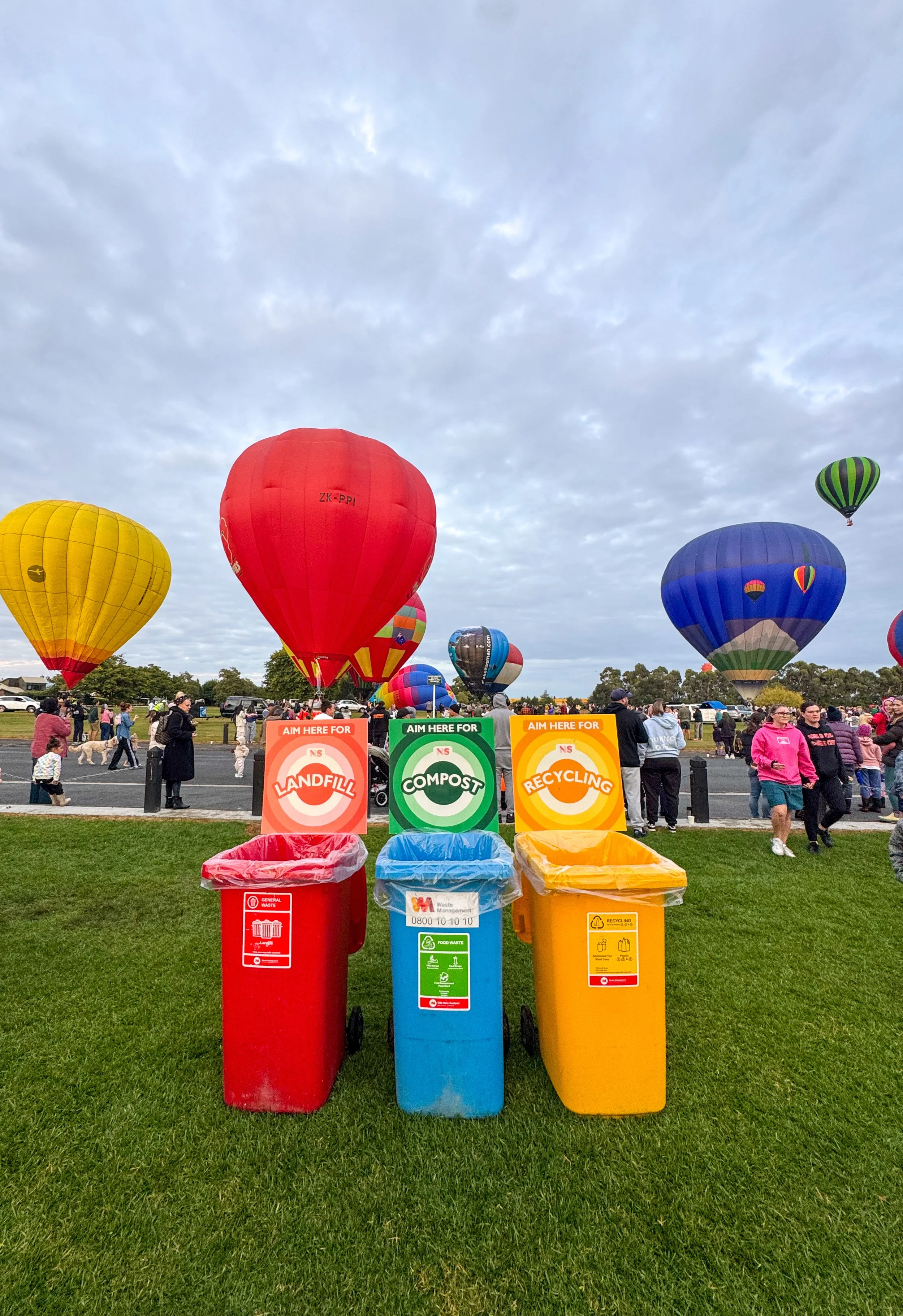
A total of 60 resource recovery stations were deployed across the site, covering:
event grounds
entrances and exits
bus stops and exterior areas
VIP and back-of-house zones
Stations were designed to reduce travel distance and improve correct disposal behaviour.

Compost, Recycling & Recovery Streams
For the first time, a compost stream was introduced alongside recycling and landfill, significantly improving recovery outcomes.
Materials were sent to dedicated recovery pathways including composting, recycling facilities, and specialist recovery streams.

Multi-Zone Operational System
The event was divided into three operational zones, each supported by a dedicated Resource Recovery HQ.
This allowed:
faster servicing
reduced crew travel time
more efficient material handling

On-Site Management & Sorting
Nonstop teams managed:
bin servicing throughout the event
litter control across the site
full post-event hand sorting
All waste was sorted after the event to maximise recovery and ensure accurate reporting.
Key Findings
Waste Diversion
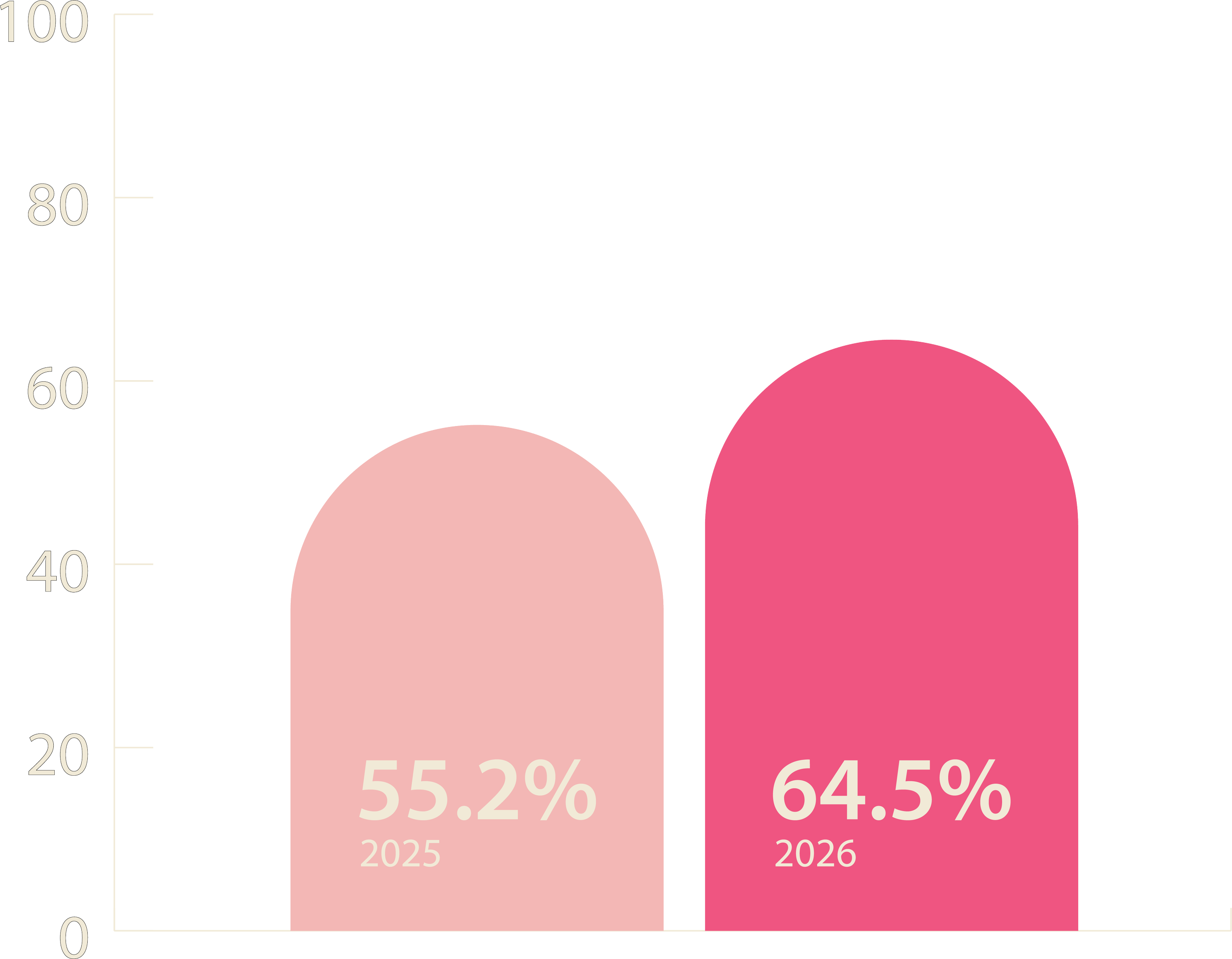
Nightglow achieved a 64.5% resource recovery rate, representing a significant improvement on the previous year.
This reflects the transition from a baseline audit to a fully implemented waste management system under increased scale and pressure.
Progress Over Time
2025: 55.2%
2026: 64.5%
The introduction of a full waste management system resulted in a ~10% increase in recovery rates, demonstrating measurable progress despite the event nearly doubling in scale.
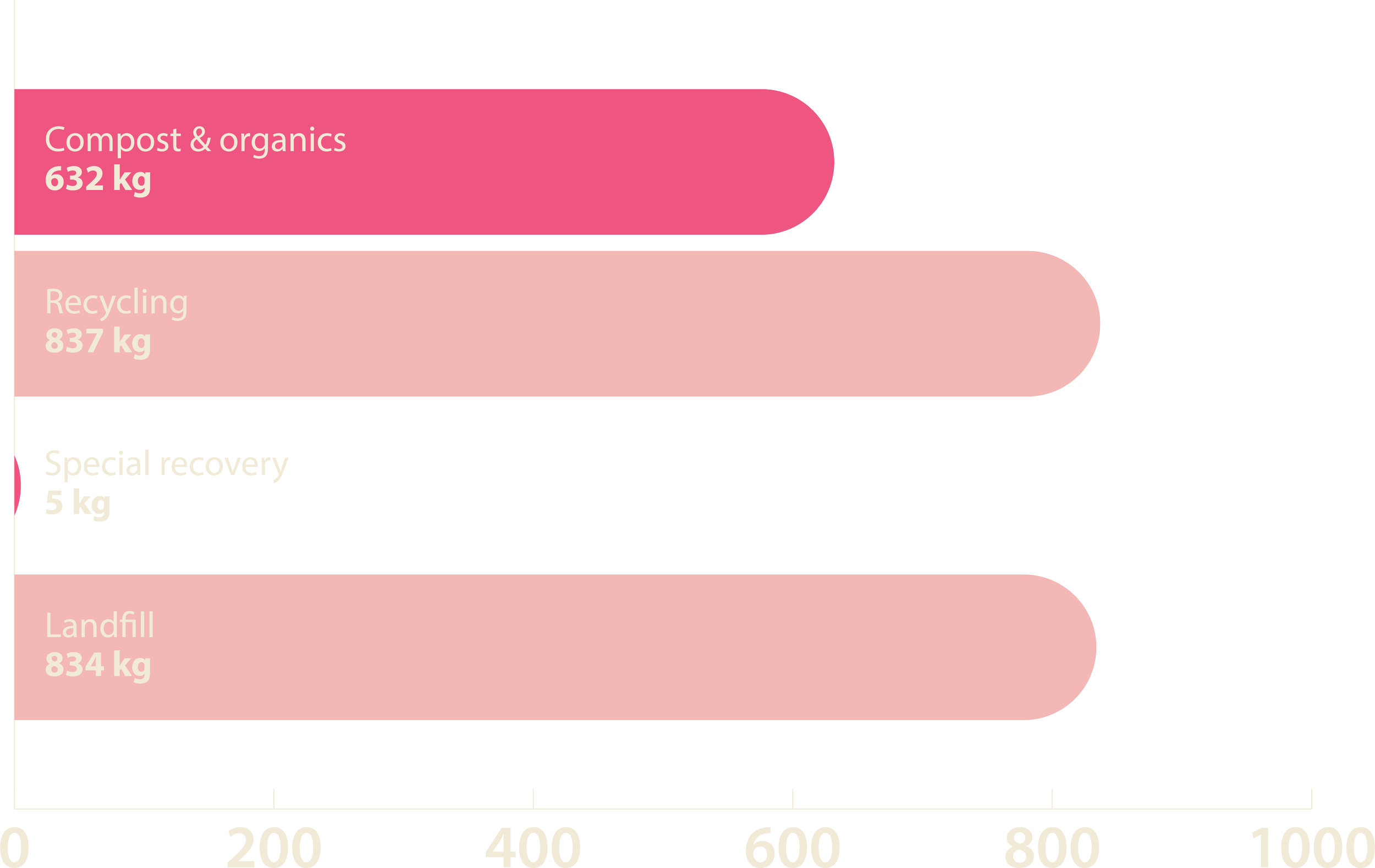
Waste Outcomes by System
Waste was managed across composting, recycling, and landfill streams, with strong recovery performance considering the scale and intensity of the event.
Compost & organics: ~632 kg
Recycling: ~837 kg
Special recovery: ~5 kg
Landfill: ~834 kg
System Pressure Points
Vendor Packaging & Compliance
Vendor packaging was mixed, with limited alignment to compostable or recyclable standards.
This directly impacted recovery outcomes, highlighting the importance of early vendor engagement and clear packaging requirements.
Egress Pressure
The highest pressure occurred at event exit, where:
bins filled rapidly
waste volumes spiked
localised litter increased
This is a predictable challenge in large-scale events and requires targeted infrastructure and servicing strategies.
External Waste
Significant volumes of waste were brought into the event by attendees, including takeaway food and packaging.
This introduces complexity beyond vendor control and impacts overall system performance.
Community Impact
Aluminium cans collected during the event were donated through the Cans for Kai initiative:
159 kg of cans recycled
64 family meals supported
304 kg CO₂e avoided

Looking Ahead
Nightglow demonstrates the complexity of delivering waste systems at scale.
While recovery rates remain lower than controlled events, the implementation of a full system and measurable year-on-year improvement provides a strong foundation for continued progress.
With further system refinement, the event is well positioned to move toward higher diversion and a more circular model.
Key opportunities for improvement identified:
stronger vendor packaging requirements
introduction of soft plastics recovery
expansion of reuse systems (e.g. cups)
improved infrastructure controls (e.g. fenced HQ areas)
These changes would further reduce landfill and improve recovery outcomes.
Planning a large-scale public event?
We design waste systems that perform under pressure. Reducing landfill, improving efficiency, and delivering measurable outcomes.
Learn more about our event waste management systems