

How CubaDupa Achieved 77% Waste Diversion at Wellington’s Largest Street Festival
Transforming a high-traffic street festival into a circular waste system through reuse, recovery, and on-site sorting.
Location: Wellington – Cuba Street Precinct
Event type: Street festival
Event duration: 2 days
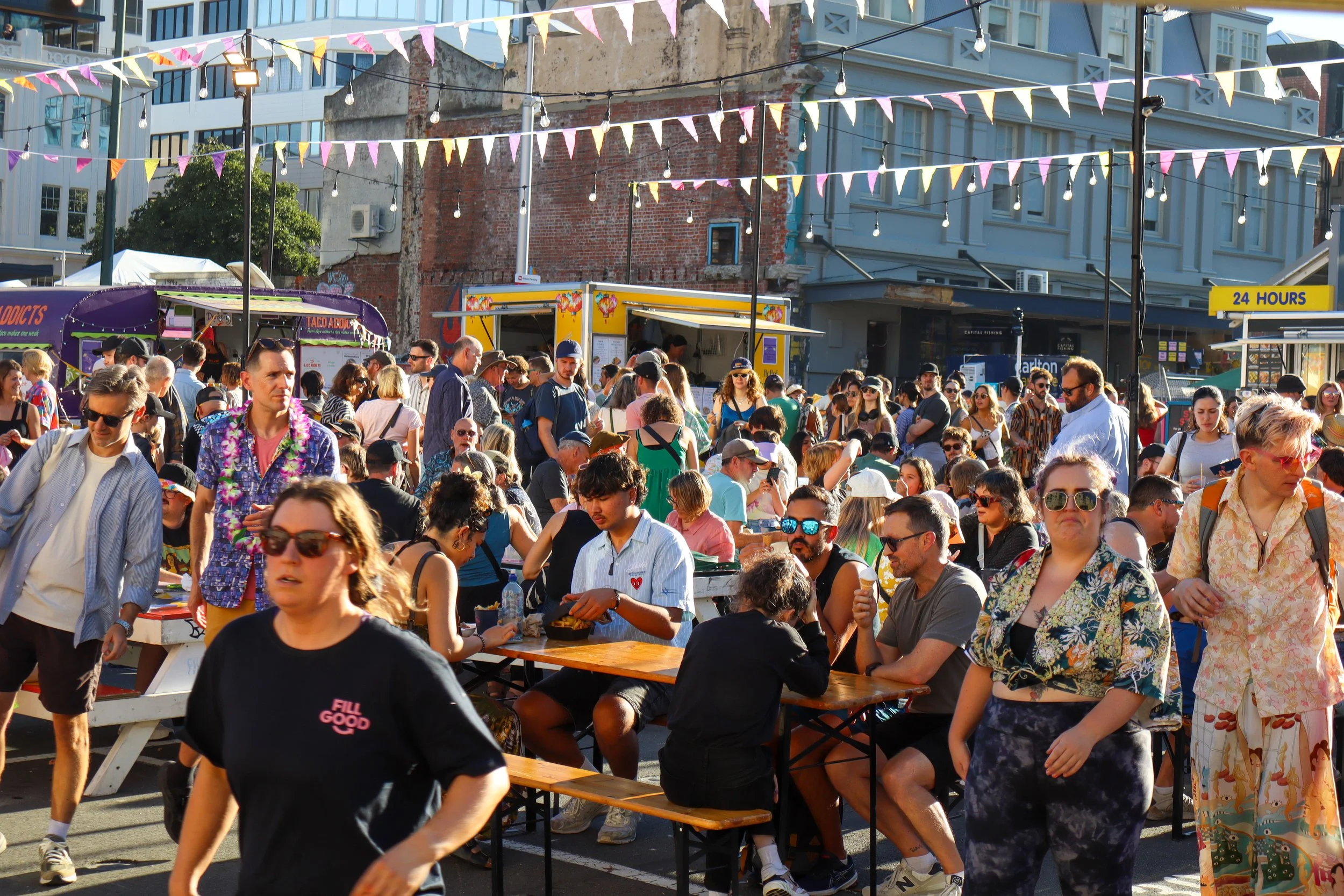
CubaDupa is one of Wellington’s largest and most vibrant street festivals, transforming the Cuba Street precinct into a two-day celebration of art, music, and community.
With thousands of attendees and a high density of food and beverage vendors, the event generates complex and high-volume waste streams. Nonstop Solutions was engaged to design and deliver a waste minimisation system focused on reuse, resource recovery, and reducing landfill.
Key outcomes:
77.3% resource recovery rate
13,132 reusable items deployed
94% reuse return rate
32 resource recovery stations across the site
The event set an ambitious target of 80% recovery. This was narrowly missed due to increased waste volumes driven by higher attendance.
Across the weekend, Nonstop Solutions managed over 4,685 kg of waste, delivering strong diversion outcomes while operating within the constraints of a large, open street environment.
Managing waste at a large-scale street festival presents unique operational challenges:
Extremely high and fluctuating foot traffic
Multiple vendors with varying packaging systems
Limited fixed infrastructure in a public street setting
Ongoing attendee confusion around waste streams
Additional waste generated from surrounding businesses and the public
In 2025, total waste volumes increased compared to the previous year, placing additional pressure on collection, sorting, and processing capacity.
The system needed to remain efficient, visible, and easy to use while still achieving high diversion outcomes.
The System We Implemented
A multi-layered waste system was designed to manage waste at every stage. From vendor setup through to post-event sorting.

Reuse System
A dedicated reuse zone introduced reusable serviceware for food and beverages across key areas of the site.
13,132 reusable items used
94% return rate
On-site wash trailer and reuse HQ
This system prevented approximately 477 kg of single-use waste and demonstrated the viability of reuse at scale within a large, open event.

Resource Recovery Stations
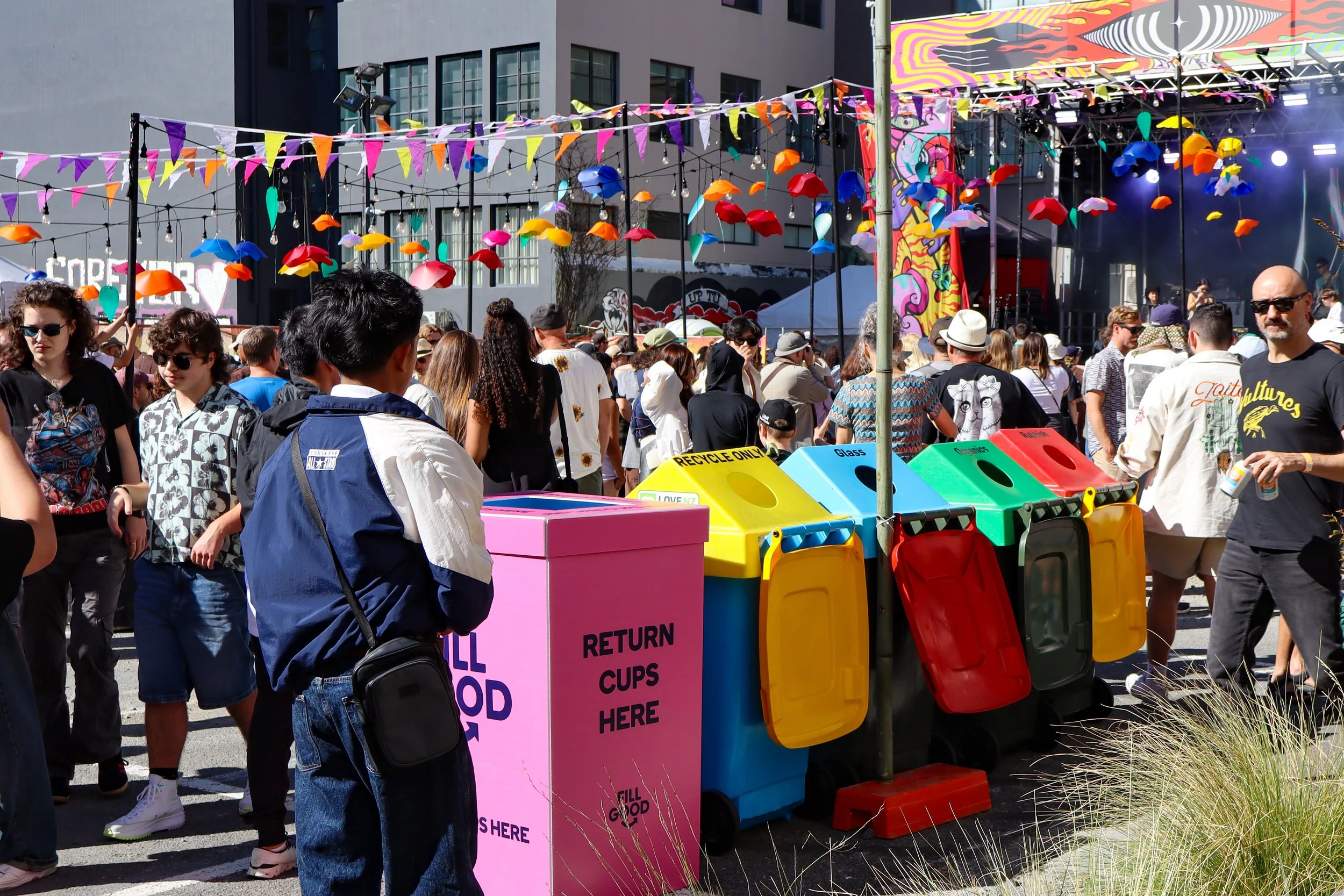
32 resource recovery stations were installed across the site, separating waste into:
Compost
Recycling
Glass
Landfill
Stations were supported by clear signage and elevated flags to improve visibility and guide attendee behaviour in high-density areas.

Compostable Packaging Standards
To reduce landfill at the source, CubaDupa implemented a clear vendor requirement: compostable packaging only, with the exception of pre-packaged drinks.
Nonstop supported this process in the lead-up to the event, working directly with vendors to confirm materials, clarify requirements, and ensure consistency across the site.
This upfront alignment played a key role in improving recovery outcomes.

On-Site Sorting & Litter Management
All waste collected from bins was transported to a central waste HQ and hand-sorted into 14 material streams by Nonstop’s waste diversion specialists.
Litter teams operated throughout peak periods to maintain site cleanliness and prevent overflow at high-traffic locations.
This combination of active management and detailed sorting significantly improves diversion accuracy and reduces contamination.
Key Findings
Waste Diversion
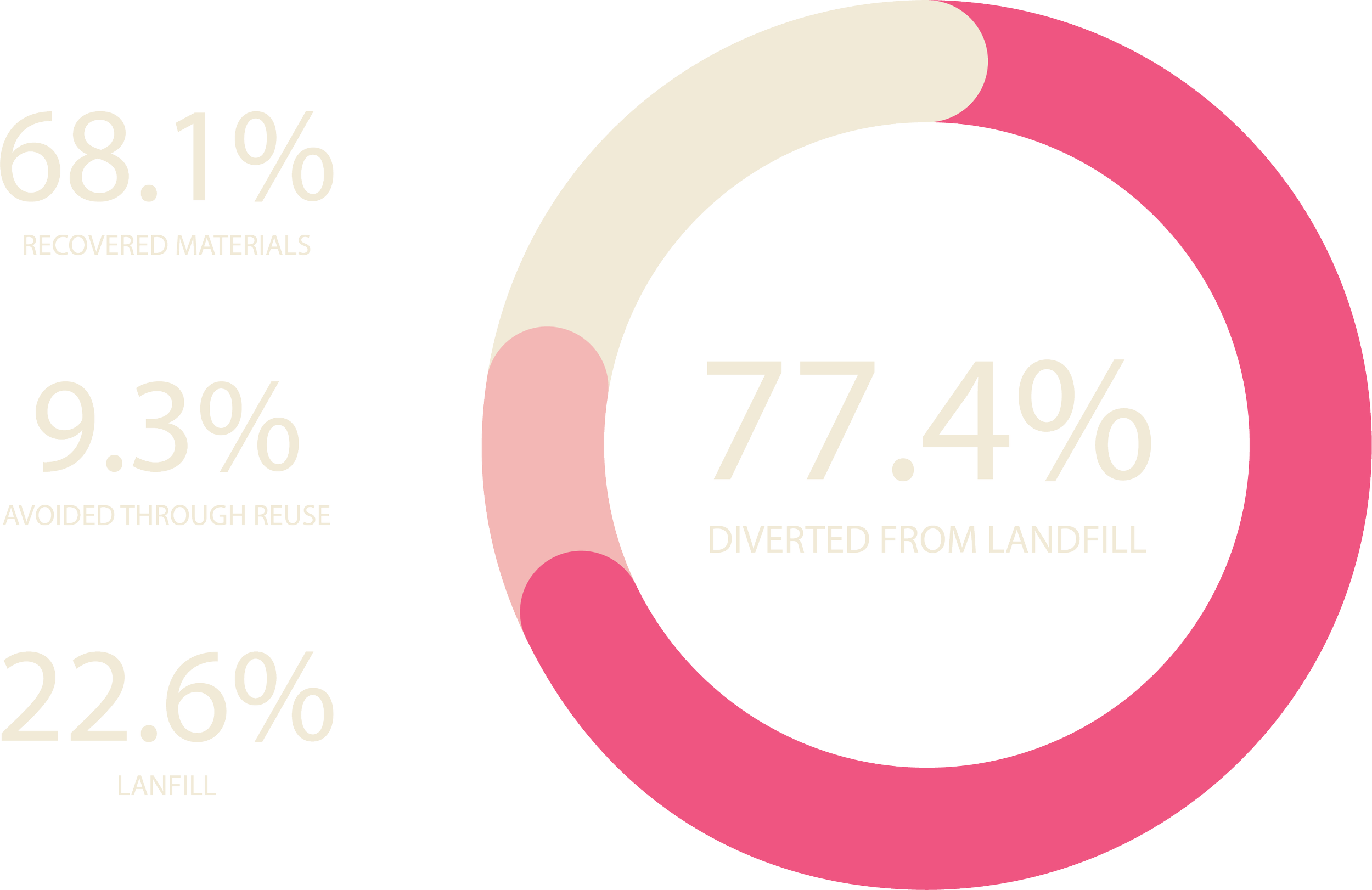
The event achieved a 77.3% resource recovery rate, with waste diverted through a combination of reuse, composting, and recycling systems.
This reflects a continued shift away from landfill in large-scale event environments.
Waste Outcomes by System
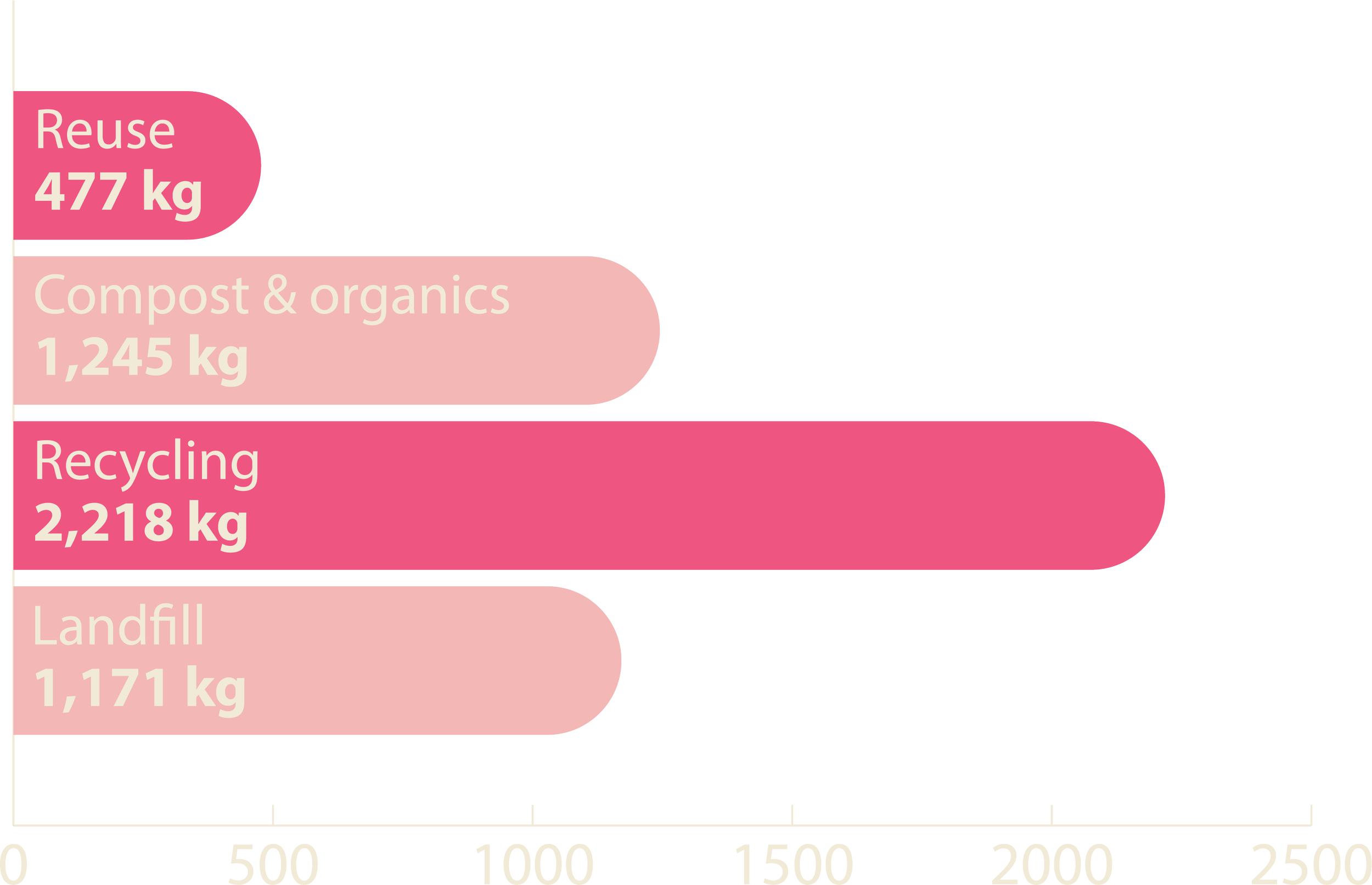
Waste at CubaDupa 2025 was managed across four key streams, reflecting a system designed to prioritise waste reduction, organic recovery, and diversion from landfill.
Reuse (avoided): 477 kg
Compost & organics: 1,245 kg
Recycling: 2,218 kg
Landfill: 1,171 kg
These outcomes demonstrate a balanced waste management approach, where materials are reduced at the source through reuse, processed through composting where possible, and recovered through recycling systems, minimising the volume sent to landfill.
Reuse is measured as the estimated weight of single-use items avoided, based on current conversion methods.
Turning Waste into Community Impact
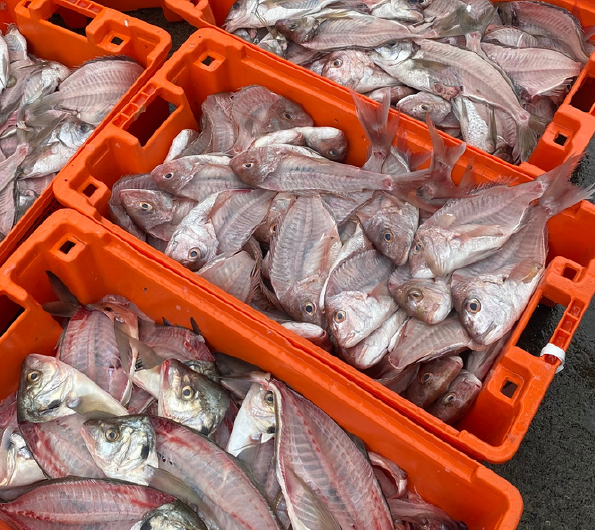
Aluminium cans collected during the event were donated to the Cans for Kai initiative, supporting the Kai Ika project.
Impact:
522.9 kg of cans recycled
209 family meals supported
~1 tonne of carbon emissions avoided
This demonstrates how effective recovery systems can extend beyond diversion, contributing to meaningful community outcomes.
Attendee Engagement
Public engagement played a key role in the success of the waste system.
Attendees actively interacted with recovery stations and the waste HQ, with many stopping to learn more about the process and the impact of the systems in place.
Educational touchpoints included:
clear and consistent bin signage
sustainability messaging across digital channels
interactive recycling activations on site
These elements helped improve sorting behaviour and increase overall awareness of waste minimisation.
Looking Ahead
As CubaDupa continues to grow, so does the opportunity to strengthen its waste systems.
Key areas for future improvement include:
expanding reuse across more vendors and zones
increasing visibility and accessibility of recovery stations
scaling waste infrastructure to match event growth
CubaDupa 2025 demonstrates that large-scale street festivals can operate with high diversion outcomes when supported by well-designed systems, strong vendor alignment, and active on-site management.
For a multi-site event example, see our Toast Martinborough case study
Planning a festival or event?
We design and deliver waste systems for events, venues, and organisations across Aotearoa. Reducing landfill, improving efficiency, and creating measurable sustainability outcomes.
Learn more about our event waste management systems