Kāpiti Classic Festival | 85% Diversion
How Kāpiti Classic Increased Waste Diversion to 85%
Building on its first year of resource recovery, Kāpiti Classic improved waste diversion while delivering a clean, well-managed festival environment for attendees.
Location: Kāpiti Coast – Southward Car Museum
Event type: Music Festival
Event duration: 1 day
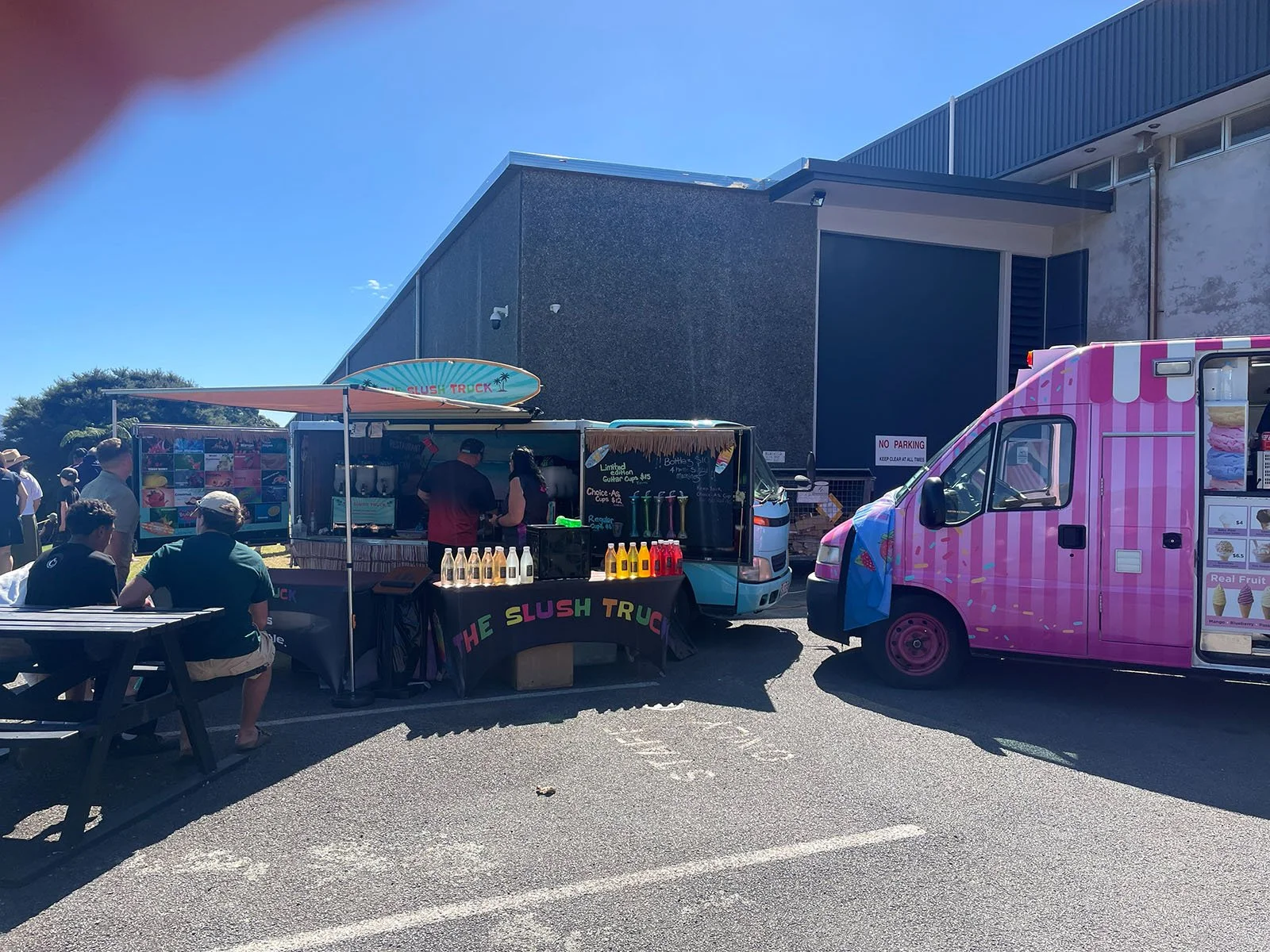
Kāpiti Classic is a one-day music festival held at Southward Car Museum, bringing together live music, food vendors and approximately 1,200 attendees in an outdoor festival environment.
In its second year partnering with Kāpiti Classic, Nonstop Solutions managed waste across attendee areas, vendors, back-of-house operations and site clean-up, with a focus on maximising resource recovery while maintaining a clean and enjoyable event environment.
In 2026, 335 kg of the 393 kg audited was recovered from landfill, resulting in an 85.2% resource recovery rate and exceeding the event’s 80% target.
Key outcomes included:
85.2% resource recovery rate
335 kg recovered from landfill
8 resource recovery stations
Recovery rate increased from 76.9% in 2025 to 85.2% in 2026
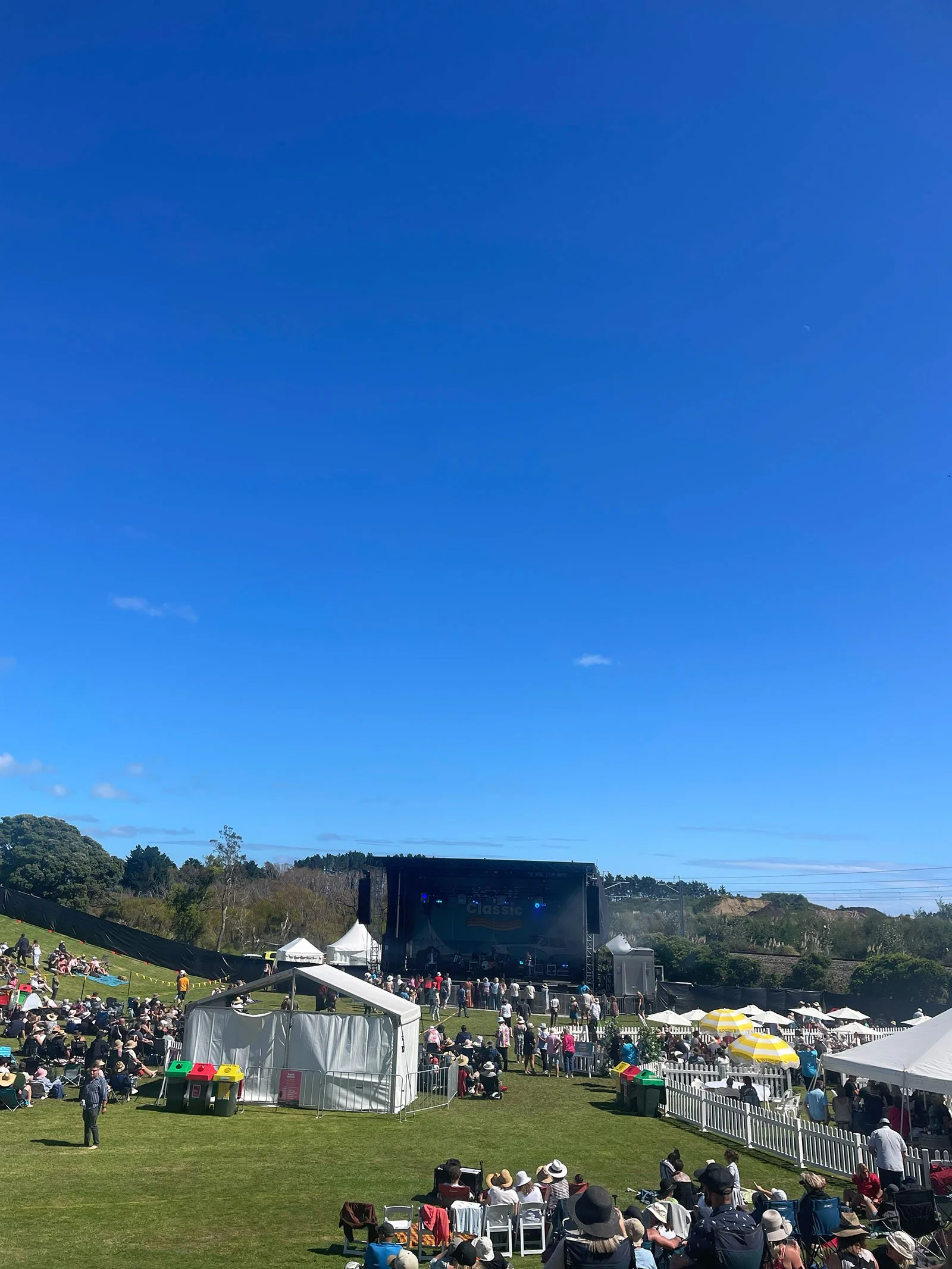
Kāpiti Classic combines several waste management challenges within an outdoor festival environment.
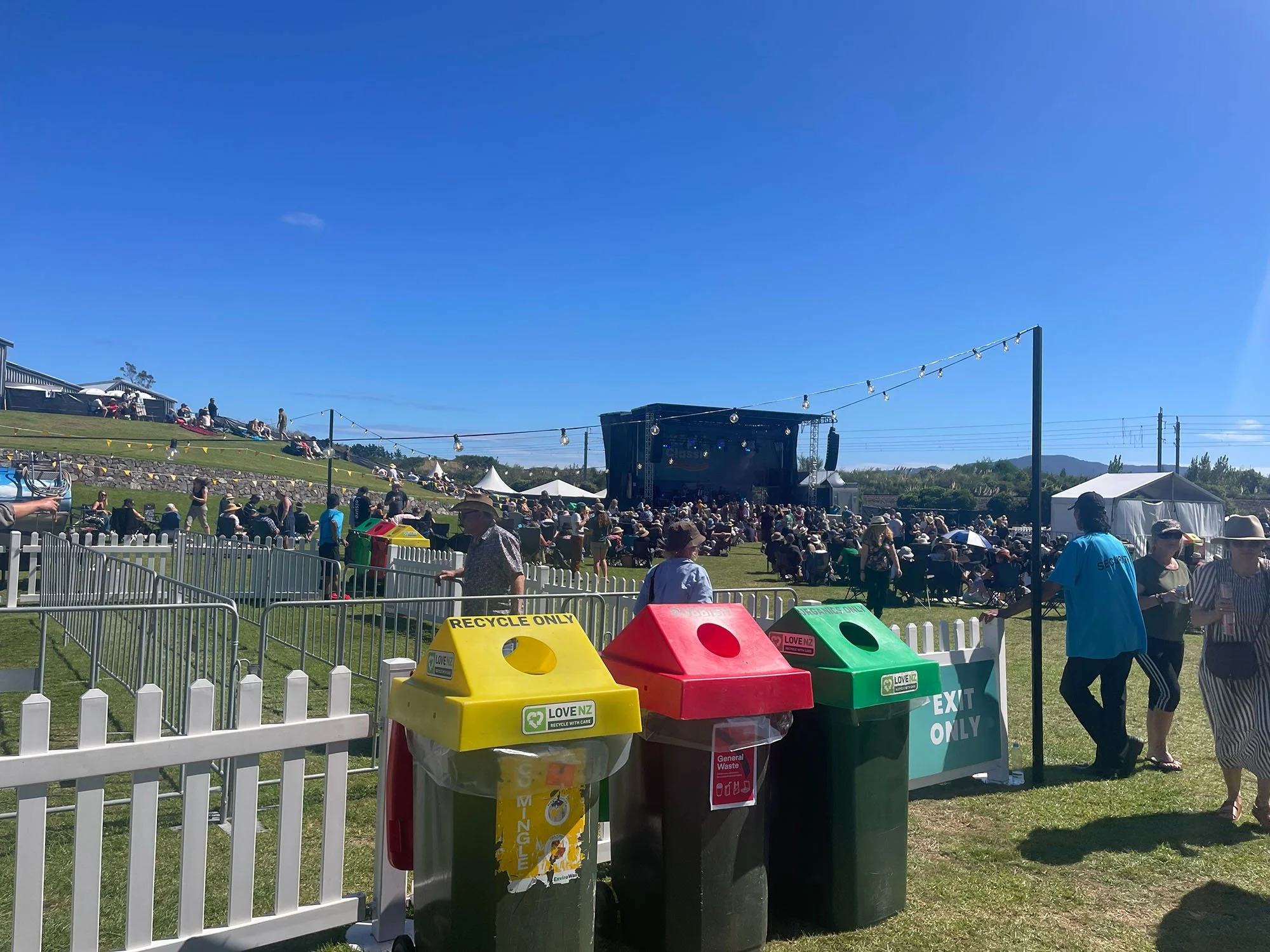
Attendees are encouraged to picnic across the site, meaning waste comes not only from event vendors but also from food and packaging brought in from outside. Food trucks, bars, VIP areas and back-of-house operations create additional waste streams that need to be managed consistently.
The challenge was therefore not simply providing bins, but maintaining effective waste separation across the entire event while keeping the site clean throughout the day.
The System We Implemented

Site-Wide Resource Recovery
Eight resource recovery stations were positioned across key attendee areas, including the bar, stage, VIP entrance, food trucks, toilets and main entrance.
Each station separated compost, recycling and landfill, supported by coloured bin hoods to make disposal clearer for attendees. Additional dedicated collection points were provided for cardboard, glass, aluminium cans and reusable cups.

Active Attendee Engagement
One of the strongest aspects of the system was direct engagement with attendees.
During breaks in the programme, the MC encouraged attendees to engage with Nonstop Solutions staff, while the team actively moved throughout picnic areas collecting waste and helping maintain the site.
The result was a notably clean event environment, with only around a quarter of a bag of litter and three abandoned camp chairs remaining after the event itself.

On-Site Collection & Sorting
Nonstop managed waste collection, bin servicing, litter control and back-of-house separation throughout the event.
Collected materials were returned to the Resource Recovery HQ for sorting and consolidation, with all remaining waste hand-sorted after the event to recover as many resources as possible from landfill.

Specialist Recovery Pathways
Beyond standard composting and recycling, selected materials were directed into specialist recovery streams, including soft plastics, Tetra Pak, bottle caps and PLA packaging.
Aluminium cans were also directed to the Kai Ika Project through Cans for Kai.
Key Findings
Waste Diversion
Kāpiti Classic increased its resource recovery rate from 76.9% in 2025 to 85.2% in 2026, exceeding its 80% recovery target.
The result reflects consistent on-site management and effective material separation, while also establishing clear opportunities to reduce waste further through reuse and improved packaging choices.

Waste Outcomes by System
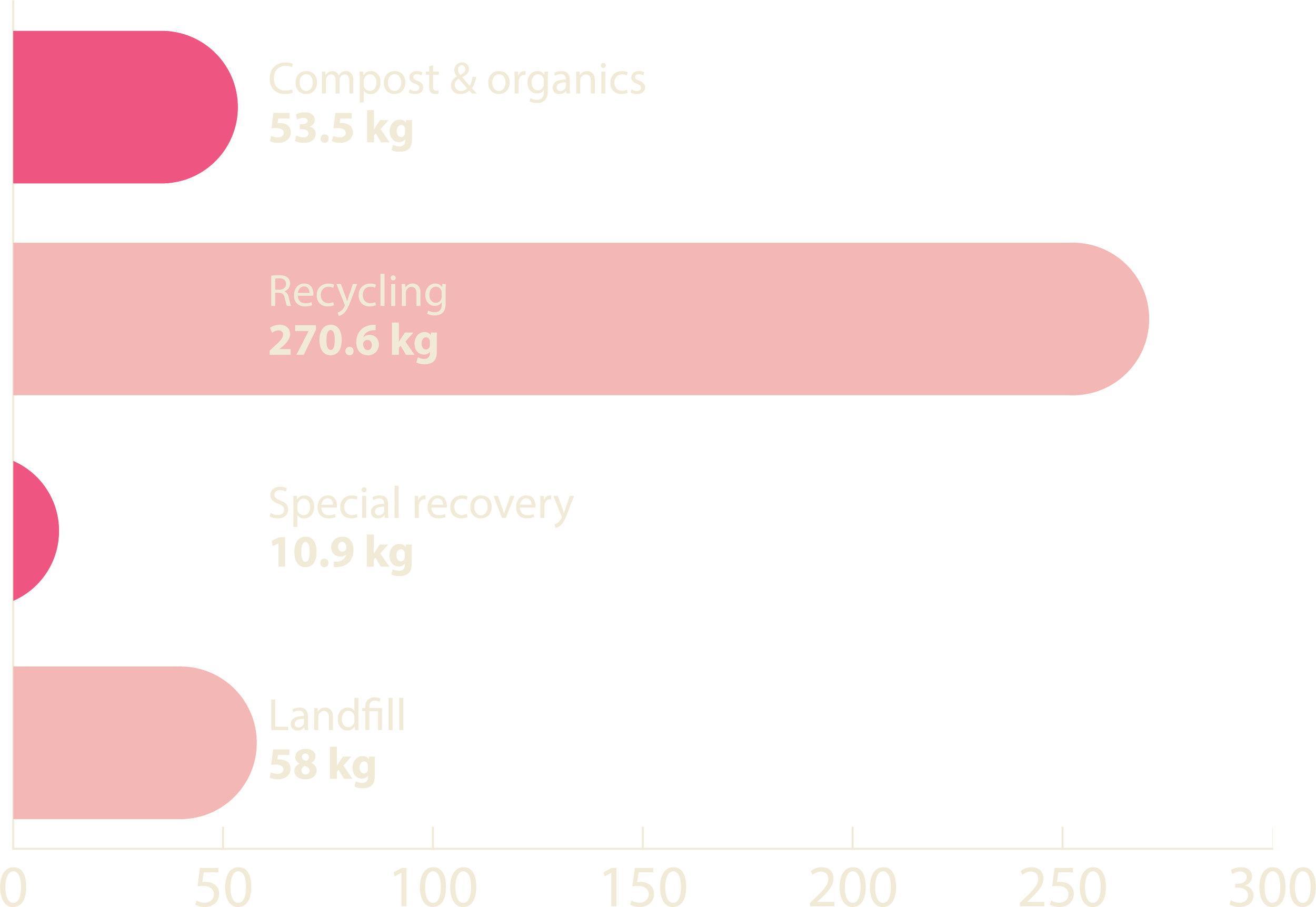
Waste generated at Kāpiti Classic was separated across composting, recycling, specialist recovery and landfill pathways.
While 335 kg was successfully recovered from landfill, recycling represented the largest material stream by weight, driven particularly by glass and aluminium cans.
This provides important context for the overall recovery rate and highlights the next opportunity: reducing material use at the source and expanding reuse systems.
Material Insight
Glass and aluminium cans contributed significantly to the overall recovery result, demonstrating the importance of looking beyond a single headline diversion figure.
Even excluding these two high-weight streams, Kāpiti Classic achieved a 69% recovery rate across its remaining materials.
This insight helps identify where future improvements can have the greatest impact. Particularly reducing single-use materials before they enter the waste system.
Turning Waste Into Community Impact
Aluminium cans collected during the event were donated through the Cans for Kai initiative turning a recovered material stream into wider community impact.
Results:
99.2 kg aluminium cans recovered
40 family meals supported
Approximately 843 kg CO₂e avoided
The initiative uses recycling proceeds to support the Kai Ika Project, helping redistribute underutilised fish parts while reducing food waste and supporting local communities.

Looking Ahead
Kāpiti Classic's second year of resource recovery demonstrates how consistent waste management can build measurable improvement over time.
With an 85.2% recovery rate already exceeding the event's target, the next opportunity is to move further up the waste hierarchy by reducing single-use materials, expanding reuse and bringing contractors into the waste system from setup through pack-down.
The result is a clear pathway towards a more circular Kāpiti Classic.
Planning a festival or public event?
Nonstop Solutions designs and delivers event waste management systems that reduce landfill, improve resource recovery and provide clear data to guide future improvements.